
Exploring the psychological effects of gambling on decision-making behavior
Exploring the psychological effects of gambling on decision-making behavior
The Nature of Gambling and Its Appeal
Gambling is a universal phenomenon that transcends cultural boundaries, captivating individuals with its promise of risk and reward. The allure of potentially winning big can drive people to engage in various forms of gambling, from traditional casinos to online platforms. This excitement can trigger powerful psychological responses, leading to impulsive decision-making and behaviors that may not align with a person’s usual rational thought processes. The thrill associated with risk-taking often creates an adrenaline rush that many find irresistible. For those interested, details about casoola-casino.ca highlight some of the most popular online options.
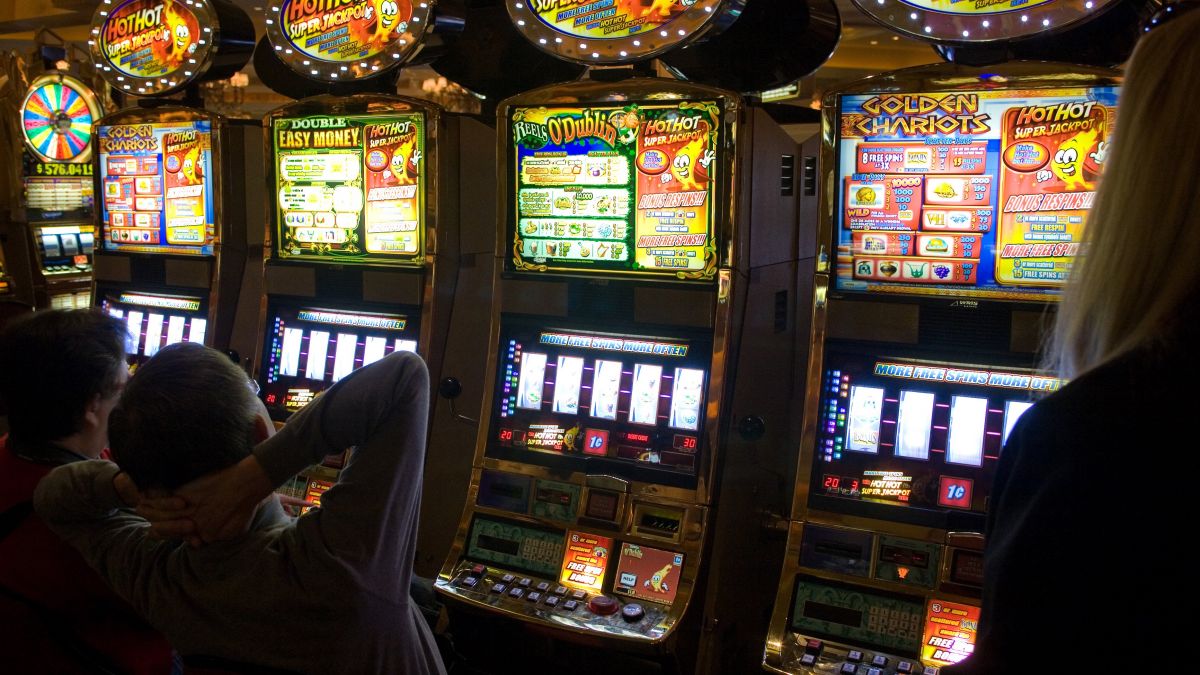
Understanding the psychological mechanisms that underpin gambling behavior can shed light on why individuals may place themselves in risky situations. The brain’s reward system becomes activated when gamblers experience wins, releasing dopamine, a neurotransmitter linked to pleasure and motivation. As a result, the excitement of gambling can overshadow logical reasoning, causing players to chase losses or make poor decisions, believing that they can regain what they have lost. This cycle can lead to a dangerous pattern of behavior that is difficult to break.
Different forms of gambling elicit varying psychological effects. For instance, the instant gratification provided by slot machines or online games can lead to impulsive behavior, as players may feel the pressure to continue playing after small wins. In contrast, sports betting may involve more strategic thinking but can equally lead to emotional decision-making when fans bet on their favorite teams. This multifaceted nature of gambling requires further examination to understand its psychological impact on decision-making. The Casoola casino Canada offers a wealth of options for those looking for a diverse experience.
The Role of Cognitive Biases
Cognitive biases are systematic patterns of deviation from norm or rationality in judgment, and they play a significant role in gambling behavior. One common bias is the illusion of control, where individuals believe they can influence the outcome of a game despite it being random. This can lead to an overestimation of one’s abilities, causing players to make risky bets or decisions that they would otherwise avoid. Such biases can skew perception and increase the likelihood of gambling-related harm.
The gambler’s fallacy is another cognitive bias that affects decision-making. This phenomenon leads individuals to believe that past outcomes can influence future results in games of chance. For example, a gambler may think that a particular slot machine is “due” for a win after a series of losses, prompting them to invest more money. This misjudgment can perpetuate a cycle of losses and poor decision-making, as the gambler becomes increasingly convinced that their next bet will yield positive results.
Cognitive biases can also lead to selective memory, where individuals remember their wins more vividly than their losses. This positive reinforcement can distort one’s perception of success in gambling, reinforcing the desire to continue playing. By fostering unrealistic beliefs about the odds of winning, these biases contribute to an unhealthy relationship with gambling, where individuals may prioritize the thrill over financial responsibility and overall well-being.
The Impact of Emotion on Decision-Making
Emotions significantly influence decision-making behavior in gambling contexts. The highs and lows experienced during gambling can lead to reactive decisions, often overriding logical thought processes. When players are on a winning streak, they may feel invincible, leading to riskier bets. Conversely, after experiencing losses, a gambler may resort to chasing losses, believing that a big win is just around the corner. This emotional rollercoaster can cloud judgment, making it difficult for individuals to recognize when they should step back.
Furthermore, emotional states can vary significantly from person to person, impacting their gambling choices. For example, individuals with heightened anxiety may make conservative decisions, while those feeling euphoric might take larger risks. These emotional responses can further complicate the decision-making process, as individuals may not be aware of how their feelings influence their behavior in the moment. Awareness of one’s emotional state is crucial for informed decision-making, particularly in high-stakes environments like casinos or online gambling platforms.
The social context of gambling can also amplify emotional reactions. The presence of peers can create a competitive atmosphere, often encouraging riskier decisions as individuals seek social validation. This social pressure can lead to a heightened sense of urgency in decision-making, pushing individuals to make choices they might otherwise consider unwise. Understanding the emotional influences in gambling scenarios can aid in developing better strategies for responsible gambling and informed decision-making.
Strategies for Healthy Gambling Practices
Implementing strategies for responsible gambling can mitigate the psychological impacts associated with decision-making behavior. Setting clear limits on time and money spent can empower individuals to maintain control over their gambling activities. By establishing these boundaries before engaging in gambling, players are less likely to make impulsive decisions driven by emotional highs or cognitive biases. This proactive approach can create a more balanced and enjoyable experience.
Additionally, taking regular breaks during gambling sessions can help individuals recalibrate their emotions and thought processes. Stepping away allows for reflection on one’s gambling behavior and can help to assess the risks objectively. This practice can reduce the likelihood of making hasty decisions and prevent the cycle of chasing losses or overestimating one’s chances of winning. Awareness and mindfulness can be powerful tools in promoting healthier gambling habits.
Lastly, seeking support from friends or professional services can provide crucial guidance for those who may struggle with gambling-related issues. Engaging with support networks can foster accountability and provide alternative perspectives on decision-making. Education on the psychological effects of gambling can empower individuals to recognize unhealthy patterns and develop more informed strategies for navigating their gambling experiences.

About Casoola Casino
Casoola casino is a premier online gambling platform catering specifically to Canadian players. With a diverse selection of over 11,000 games, including slots, live casino options, and exciting jackpot titles, Casoola offers an engaging and varied gaming experience. New users are welcomed with an attractive bonus, enhancing their initial foray into the world of online gambling. The platform’s commitment to security, with verified software and advanced encryption, ensures a safe environment for all transactions and interactions.
The convenience of 24/7 customer support and multiple payment options makes Casoola a user-friendly choice for players at all levels of experience. The mobile-friendly design allows for seamless gaming on-the-go, appealing to those who prefer flexibility in their gambling activities. With exclusive promotions and tournaments, players can engage with the community while enjoying their favorite games.
Overall, Casoola not only offers a robust gaming platform but also emphasizes responsible gambling practices. By promoting awareness of the psychological effects of gambling on decision-making behavior, Casoola strives to foster a safe and enjoyable gambling environment for all its users. Joining this platform opens the door to a world of exciting gaming opportunities while encouraging mindful engagement with gambling activities.